
VAV & CAV Air Balancing
Pressure balancing and exhaust fan sync so every hood still contains.
Learn more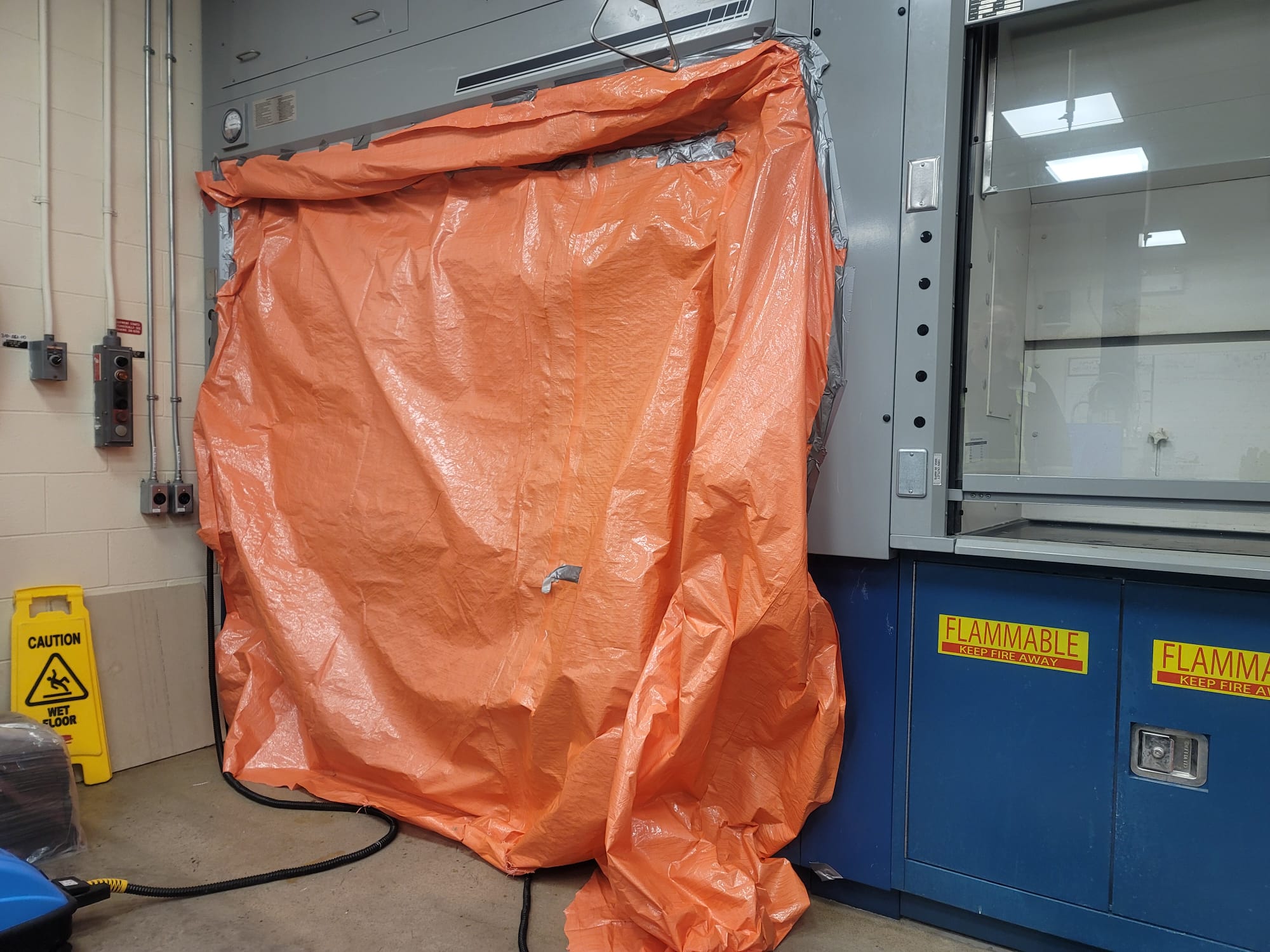
Closing a lab or pulling out an old hood is not just demolition. Old ductwork can hide contamination, and cutting into it the wrong way is dangerous. We test, isolate, and dismantle it safely, with the paperwork to close the space out.
The riskiest part of taking a lab apart is what you cannot see. A duct that looks like ordinary sheet metal can hold perchlorate crystals, mercury, or years of chemical residue. Cut into it without checking, and a routine demolition turns into an incident. We do it in the safe order.
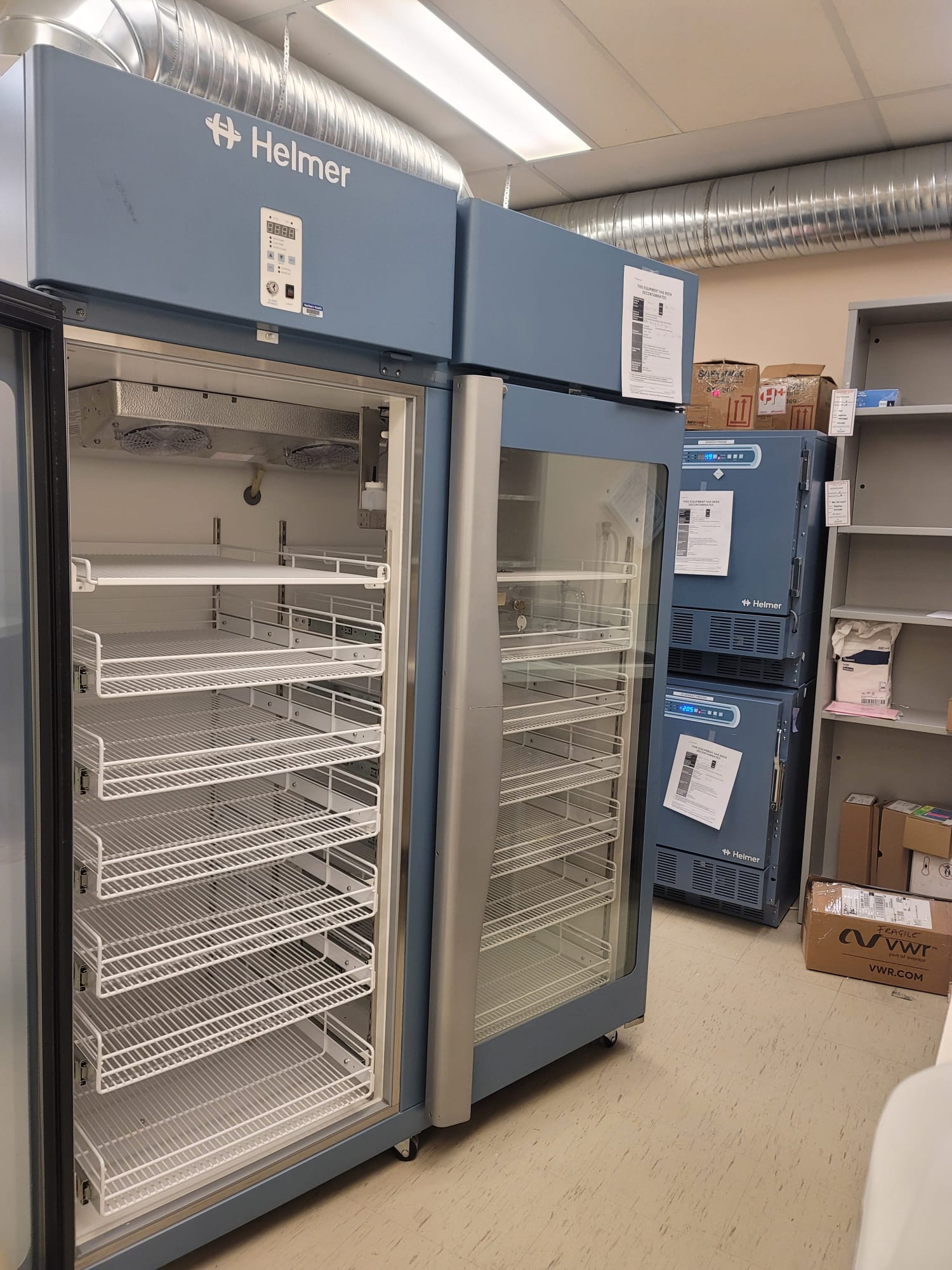
Laboratory decommissioning is the planned shutdown and removal of lab systems, fume hoods, ductwork, and the controls tied to them. Done right, it protects the demolition crew, keeps the rest of the building safe, and leaves you with a clean record that the space is closed out properly.
Before anything comes apart, we test the hood and ductwork for contamination. If we find perchlorate, mercury, or chemical residue, we clean it first with our perchloric acid or chemical and heavy-metal decontamination services.
We isolate the hood and its ductwork from the live building systems, so nothing that is still running gets disturbed and nothing contaminated spreads.
We take the system down in a controlled way, with containment where it is needed, and package anything regulated for proper disposal.
You get a written record of what was tested, cleaned, and removed, which is what your safety office, landlord, or the next tenant will want to see.
Pulling a hood offline changes the airflow for every hood left in the room. After decommissioning, our VAV and CAV air balancing team rebalances the space and confirms the remaining hoods still contain, and we can recalibrate the airflow monitors so the alarms stay accurate.
Because ducts can hold contamination you cannot see, like perchlorate crystals or mercury. Cutting into them without testing can cause an explosion or spread hazardous material. We test first, clean what we find, and only then dismantle.
A closure record showing what was tested, what was cleaned, and what was removed, plus any waste manifests. This is what your environmental health and safety office, building owner, or next tenant will ask for.
Yes, hoods share the building's exhaust and makeup air. Removing one changes the pressure for the others, so we rebalance the room afterward and confirm each remaining hood still holds its airflow.
Yes. That is the point of having one team. We test, decontaminate, isolate, dismantle, rebalance the room, and calibrate the monitors, so you are not coordinating three different vendors for one closure.
Describe what is in your lab and we will tell you what testing or cleanup makes sense, with no obligation.
Book a Site Assessment