
Smoke Visualization Diagnostics
See how air moves through a hood and catch reverse airflow and dead spots.
Learn more
Face velocity is the speed of air pulling into a hood, and it is the number that decides whether fumes stay inside. We measure it across a grid so we catch weak or uneven spots, not just an average that looks fine.
A hood can show a nice average face velocity and still leak, if the airflow is strong in one corner and weak in another. That is why we do not take a single reading. We profile the whole face on a grid, so a weak spot cannot hide behind a good average.
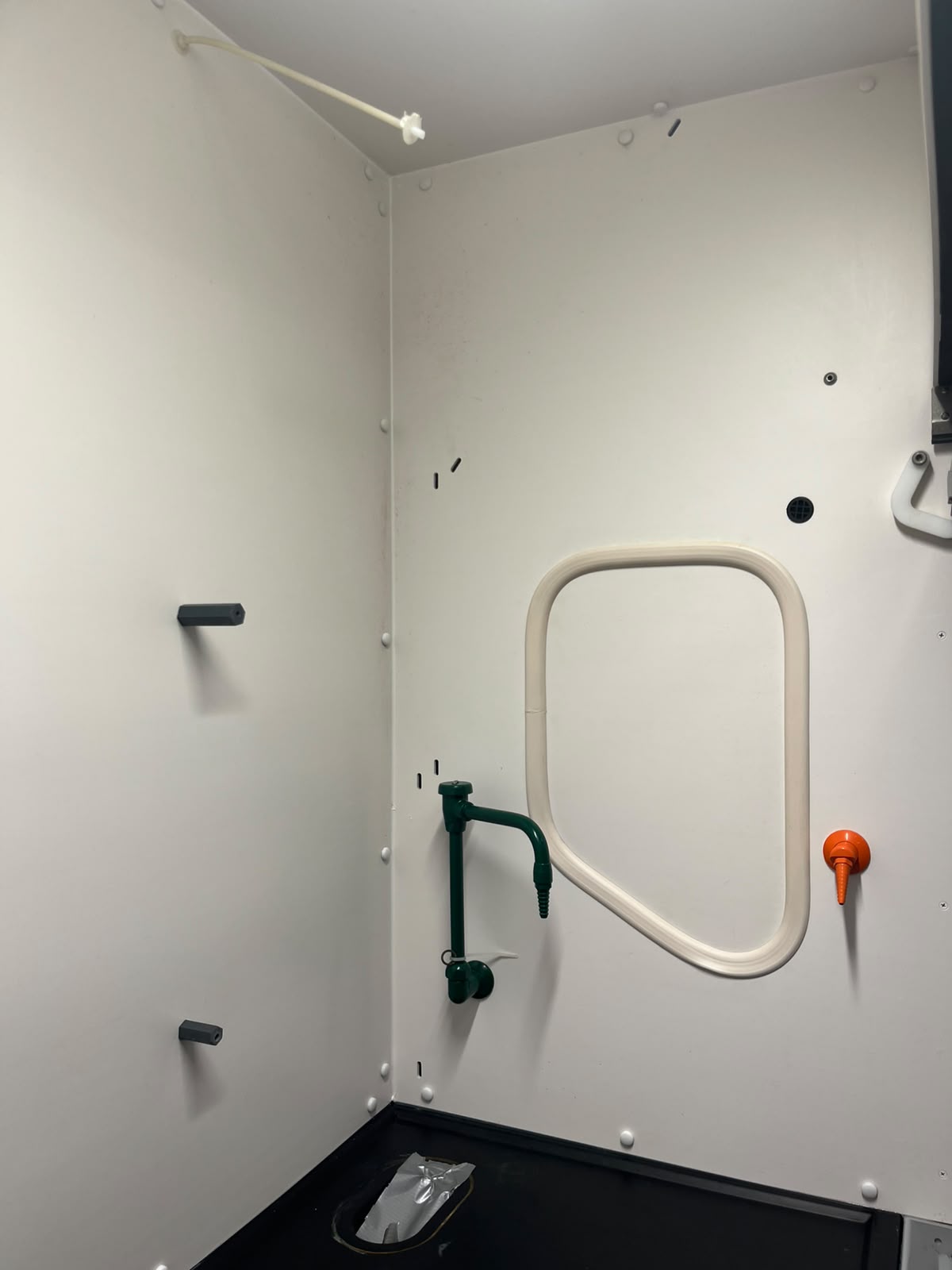
Airflow velocity profiling measures how fast air moves into the hood across the open sash. We use a thermal anemometer at set points on a grid and record each one. Too slow and fumes drift back into the room. Too fast and it can pull vapors past the worker or waste energy.
We divide the hood opening into a grid and take a reading at each point with a thermal anemometer, at the sash height your lab uses. Every point is recorded.
We look at the numbers and the pattern together. A low corner or an uneven flow tells us more than the average alone.
If the velocity is off, the cause is often the hood's baffles or sash, or the airflow balance in the whole room. Face-velocity profiling pairs with a smoke visualization test to see the air move, and with our VAV and CAV air balancing when the room is the real problem. Profiling is part of every annual certification we do.
Most standards target a range measured in feet per minute at the sash, and your certification report shows your hood's readings against that range. The exact target depends on the hood type and the standard your lab follows, which we confirm before testing.
Because an average can look fine while one corner is weak enough to let fumes escape. Profiling on a grid finds those weak spots so they can be fixed, and it gives repeatable data for your records.
In Alberta, cold makeup air changes the pressure feeding a hood, so airflow can drift between annual checks. It can also be a baffle, sash, or room-balance issue. We profile the hood to find out, and rebalance the room if that is the cause.
Yes. Face-velocity profiling is a core part of every annual fume hood certification we do, usually alongside a smoke visualization test.
Describe what is in your lab and we will tell you what testing or cleanup makes sense, with no obligation.
Book a Site Assessment