
Annual Compliance Certification
Yearly testing, labeling, and reports to keep hoods compliant with Z9.5.
Learn more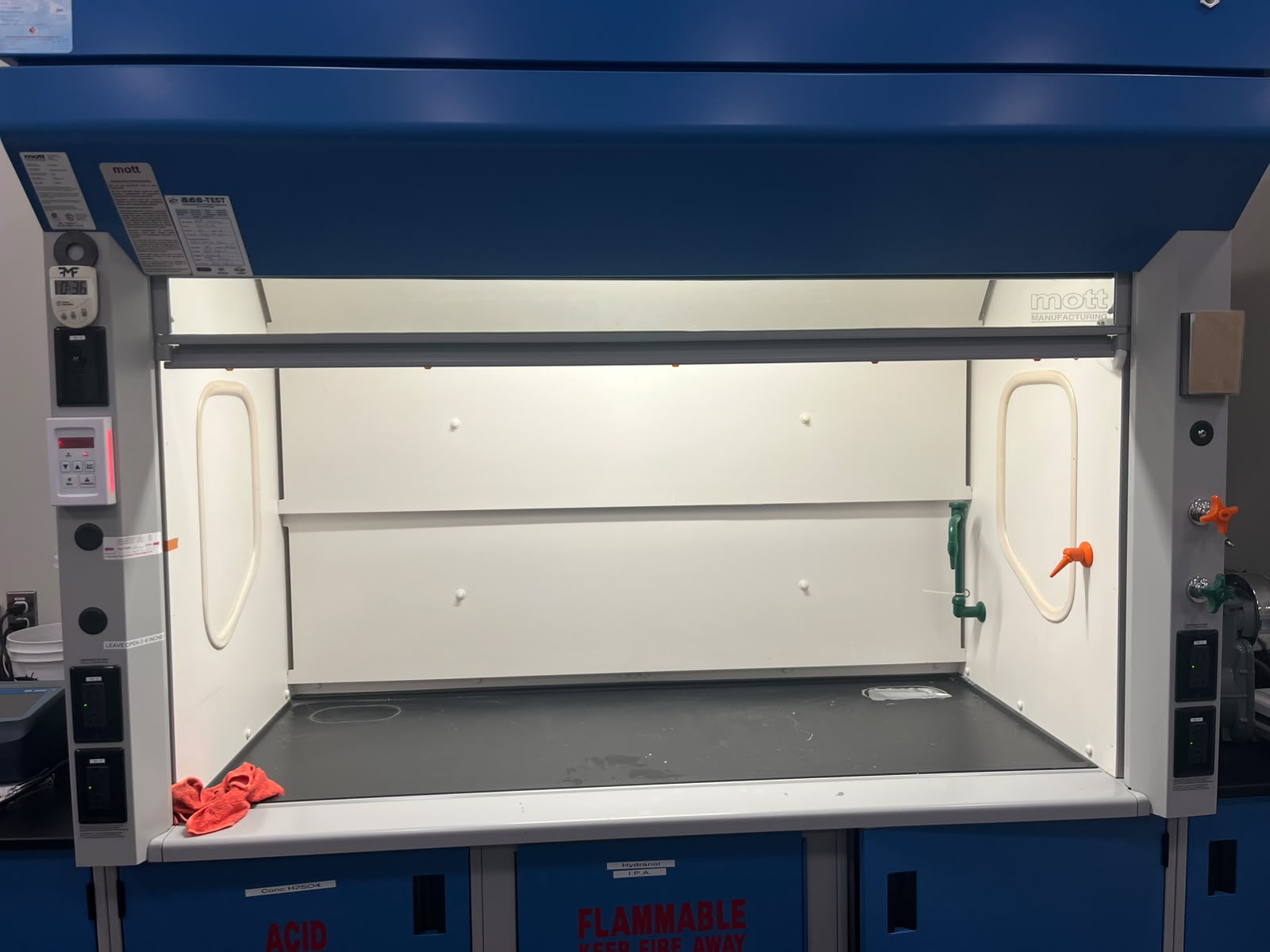
This is the gold-standard test for how well a fume hood contains. We release a tracer gas inside the hood and measure what escapes toward the worker, giving you hard numbers, not just a pass or fail guess.
Face velocity tells you how fast air moves into a hood. It does not tell you whether fumes actually stay inside. ASHRAE 110 does. It is the test that puts a real number on containment, which is why safety officers and hood manufacturers trust it.
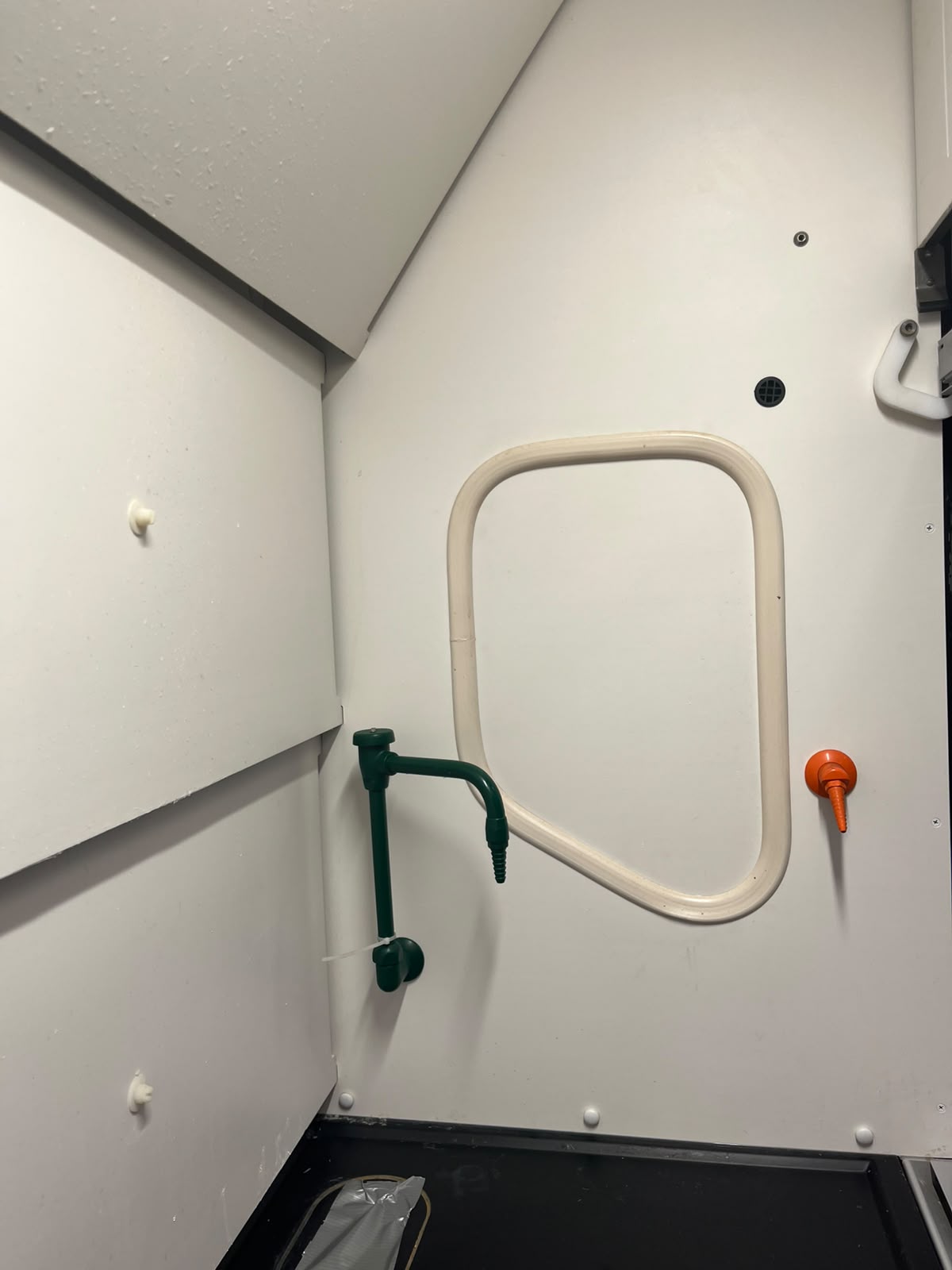
In an ASHRAE 110 test, we release a measured tracer gas inside the hood and place a sensor where a worker's face would be. Then we measure how much gas escapes. The lower the number, the better the hood contains. It is the closest thing to proof that a hood is doing its job.
Most Alberta labs want an AI test on a new or moved hood and an AU test to confirm it still contains in real life. We report the rating so you can see exactly how the hood performed.
The core of the test. We release the tracer gas and measure leakage at the breathing zone with a mannequin in place, just like a worker would stand.
We pair the tracer test with face-velocity profiling and a smoke visualization test, so you see the airflow and the containment number together.
We give you the leakage numbers, the conditions we tested under, and a plain-language read on what it means. If the hood does not perform, we tell you the likely cause, whether it is the hood itself or an airflow balance problem in the room that our air balancing team can fix.
Lower leakage is better. Hoods are commonly rated against a control level, and your report shows the measured number against that target, along with the test condition (AI or AU). We walk you through what your specific result means for daily use.
AI is 'as installed,' tested right after the hood goes in, before daily use. AU is 'as used,' tested under real conditions with normal room traffic and airflow. AU is the truest picture of how the hood protects your team day to day.
For most annual checks, face-velocity and smoke testing are enough. ASHRAE 110 is worth adding for new or moved hoods, high-hazard work, or when you need hard proof of containment. Many labs run it on install and then rely on annual face-velocity checks after.
We use a measured tracer gas released inside the hood and detected at the breathing zone. It is a controlled, standard method, and the amount is small and safe for the test setup.
Describe what is in your lab and we will tell you what testing or cleanup makes sense, with no obligation.
Book a Site Assessment